
#024. Sọ̀rọ̀ Sókè
It's 5 years today: with this piece and 7 poems, I remember the #EndSARS and #LekkiMasacre.

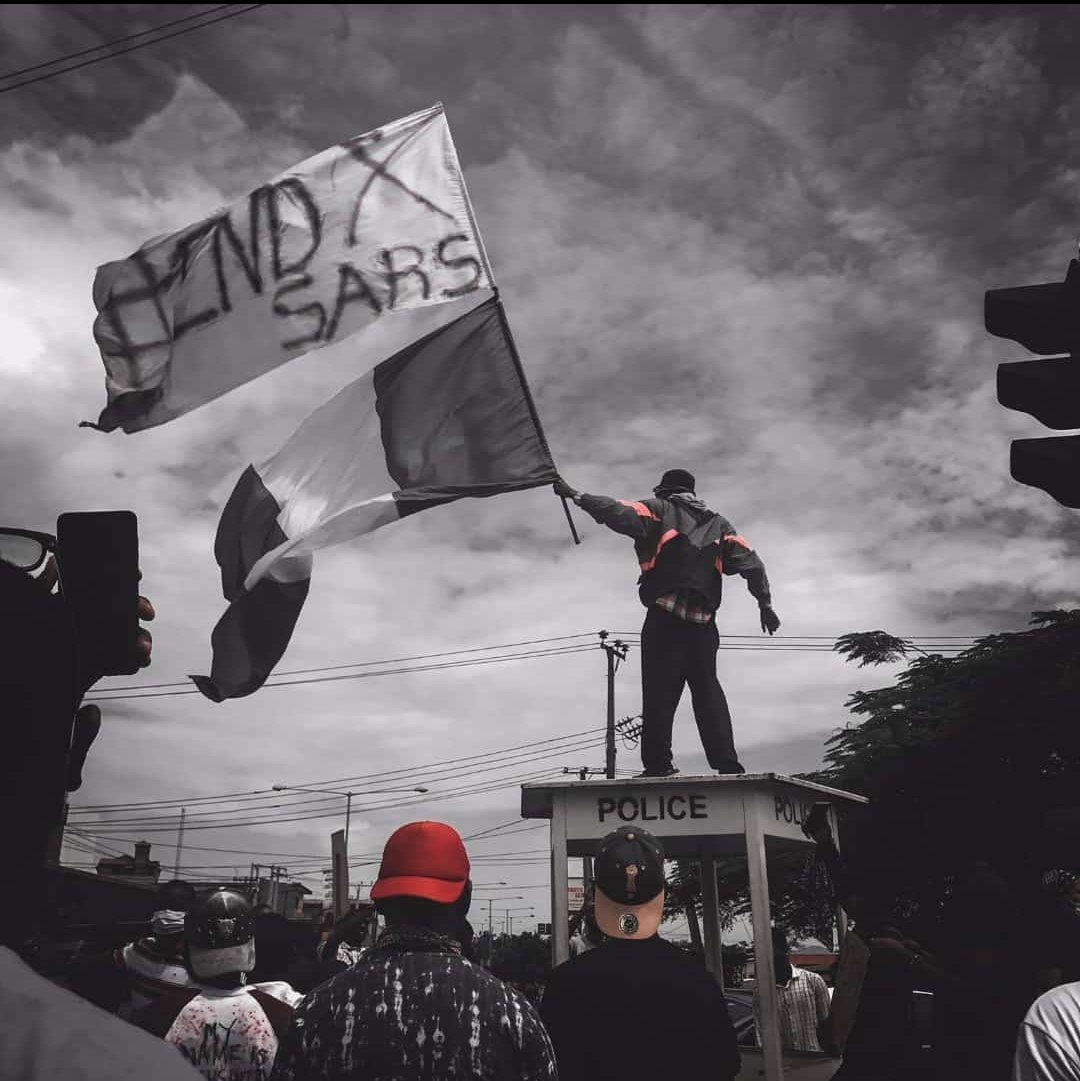
This morning, the alliteration of October Twenty, Twenty-Twenty (October 20, 2020) reminisced the whispers of flying bullets in my ears. I reimagined a vivid picture of bullets hovering above the Lekki Tollgate like birds of prey. Then the birds perch, picking on protesters: plucking their eyes, clawing their faces, tearing their ribs; blood dripping, splashing, flowing, everywhere . . .
The cry of pain, the cry of help, the silent muffles of surrender and succumbing to injuries, all started echoing in my ears. My mind was messed up. These images nodded against the pillars of my heart.
Then one image stood uniquely: blood-stained Nigerian flags, and that made me want to shout for help, wishing someone could lift the country out of the carnage it dwells in.
As I reminisced further, I saw hashtags drizzling like rain:
#EndSARS
#Sọ̀rọ̀ Sókè
#EndPoliceBrutality
#LekkiMasacre
Here’s what I have for you:
•How it Started
•Intermission
•Unfortunate Coincidence
•The 7 poems of Witness
•The Aftermath
•Five (5) years later, what did the #EndSARS movement teach us?
•How it Started
The above are the highlights of the #EndSARS protest of 2020 through which Nigerian Youth condemned police brutality and called for the disbandment of SARS (Special Anti-Robbery Squad)—a unit of the Nigerian Police Force specially created to combat armed robbery— which unfortunately became notorious for brutalising innocent Nigerians.
They specifically went after the Youth, and would subject the innocents to extortion, harrassment, torture and oftentimes extrajudicial killings. Ironically, they became the armed robbers taking away from citizens and would take some to the ATM and coerce them to withdraw their moneys for them, among other nasty activities.
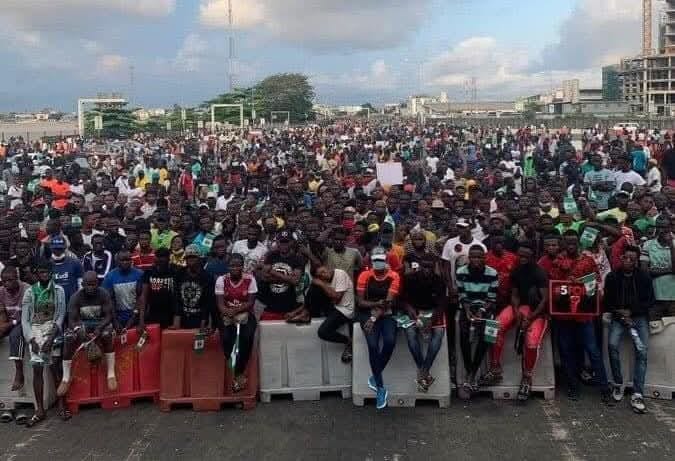
As a result, citizens began campaigns on social media with the hashtag #EndSARS. In no long time, this escalated into large-scale demonstrations. It became more remarkable when thousands of Nigerians took to the streets raising placards on October 1, 2020 to un-celebrate the Nigeria’s Independence Day, thereby deepening the #EndSARS protest.
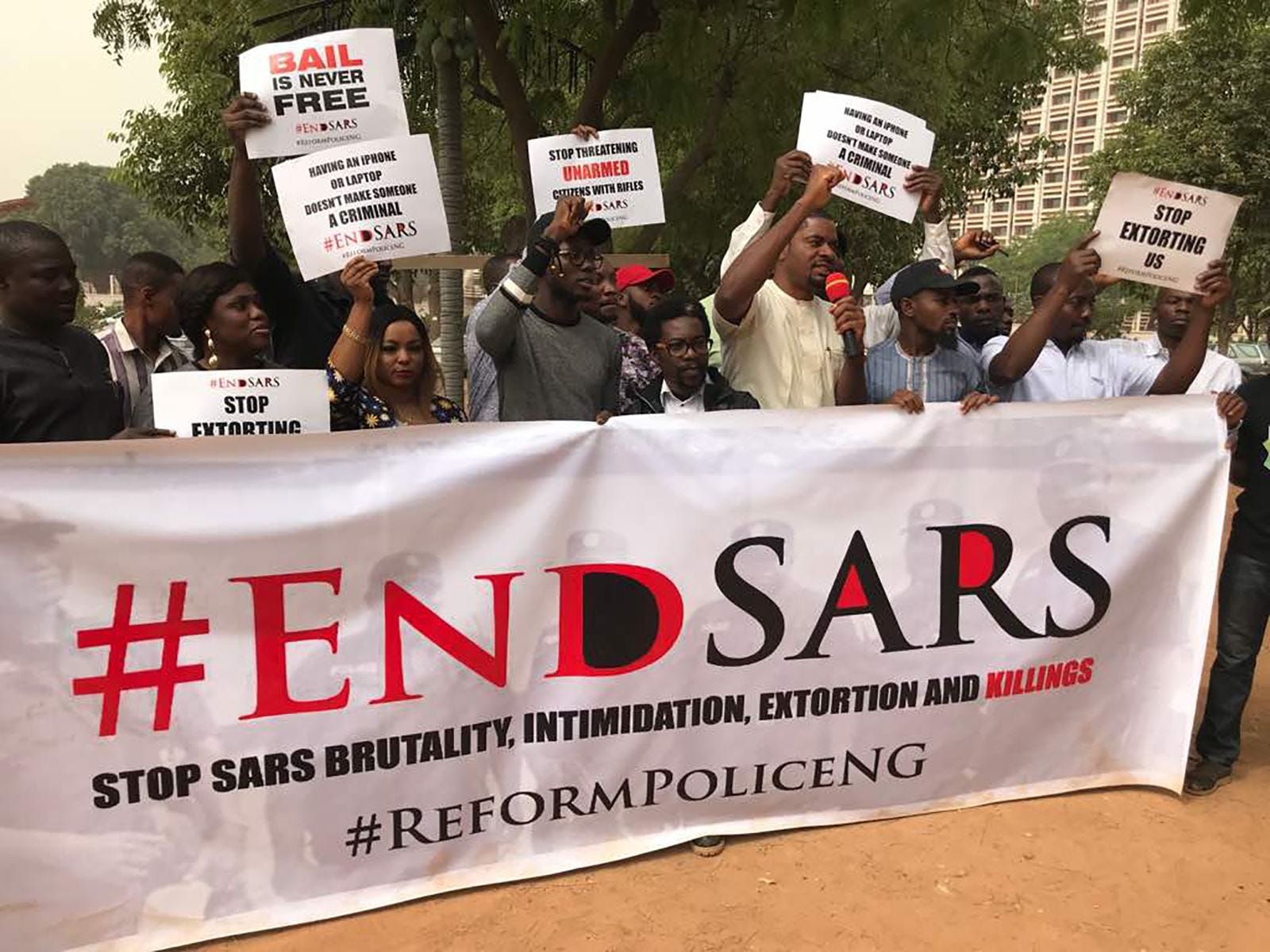
Almost every state in the country joined the movement until it spreads globally, so much that Twitter (now X) made an emoji of the movement’s symbol. Nigerians in the diaspora joined in, with placards reading: “We don’t come home because of SARS,” among others.
The demand of the “Sọ̀rọ̀ Sókè Generation” was simple:
i. disbandment of SARS
ii. justice for victims of police brutality
iii. comprehensive police reform
The generation’s movement also highlighted the following critical and broader issues:
i. corruption
ii. high levels of unemployment
iii. better governance
A government deeply tangled in the web of systemic corruption would be threatened by the second leg of the demand. And yes, Nigerian government, which has been known for politics rather than governance, felt threatened. The peaceful protests across the country began to seem like a revolution, like a coup, to them.
The government quickly restyled SARS to SWAT. But Nigerians wanted complete proscription. We were not ready to stop until SARS is disbanded. And this earned us again the name “coconut head generation.”
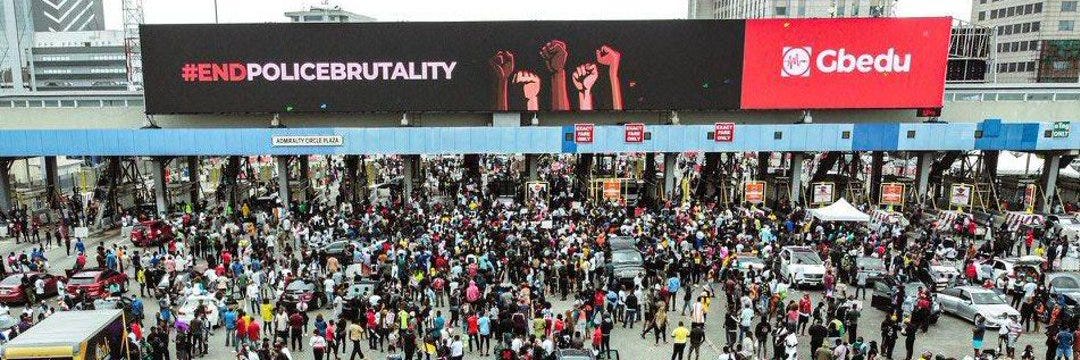
It is important to note that the protests were characterized by peaceful demonstrations, marches, sit-ins, and social media activism. There was no time the protesters resorted to violence.
The only violent scenes were ones created by police attacking protesters, or by thugs, who were believed to have been mobilized by the government, to hijack the protest. And then, we got some other names: the Hoodlums, or, Lazy Nigerian Youth.
The protest grew wide and wide, and Youth across the country stormed their State Capitals, including Abuja. I had just moved to Abeokuta and would show up under Panseke bridge for the protest. A day nothing happened in Panseke, I took bike to Obantoko to join the ongoing march.
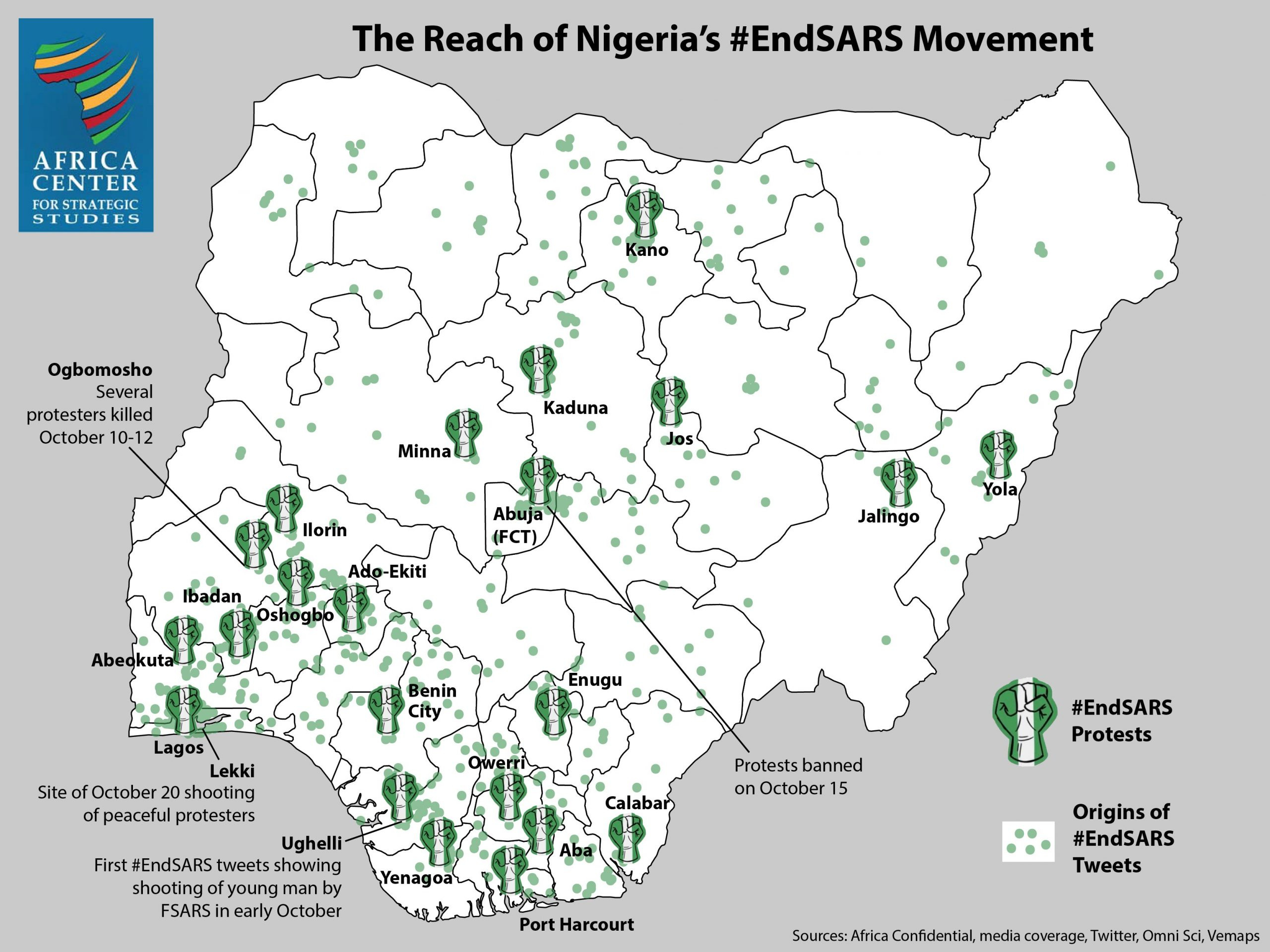
The violent scene started when Police stray bullet hit an innocent boy in Ondo state who stood by, observing the procession. Then the counts began to rise.
In Lagos, the Youth took over the revenue point of the government—the Lekki Tollgate, and refused to go home. Days began to run into a week. Some would go to work and resume there. Some didn’t even go to work at all. And the lines from the poem of Adedayo Agarau became instructive:
“the boy will someday rise into a / revolution, men revolting against a country that asks for heads / instead of thumbs, blood instead of nods...”
It was rumoured that by a United Nation’s regulation, if the citizen’s protest against a government reach the 30th day, the United Nation will take over as that implies a vote of no confidence, or, declare a state of emergency.
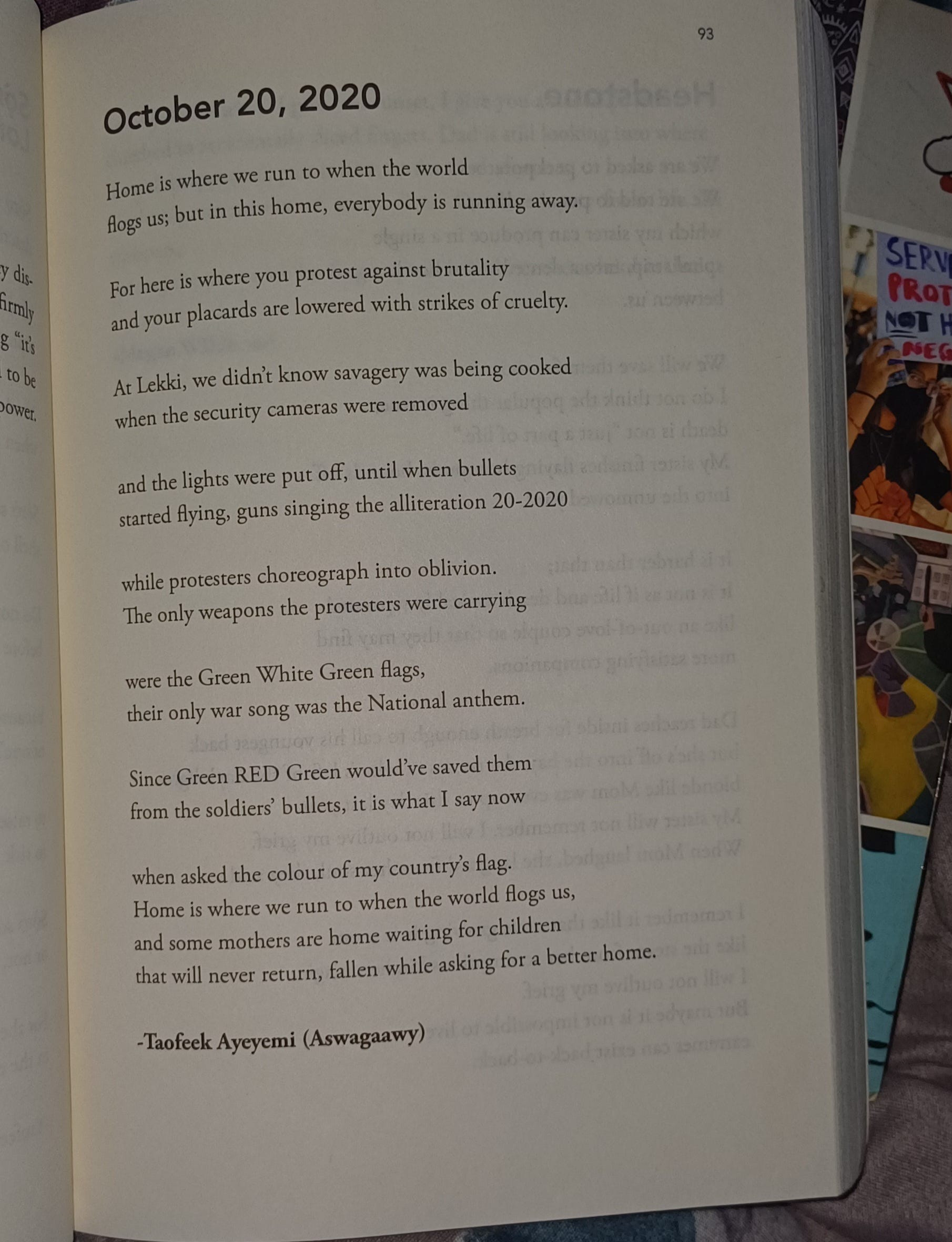
So, in the night of October 20, 2020 in a bid to disperse the protesters, the government ordered the tollgate light be put off, the camera disconnected, and the army to storm the place, armed to the teeth.
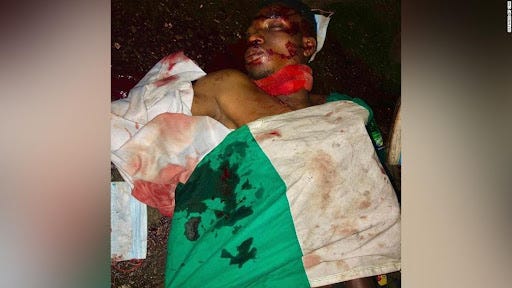
The weapons in the hands of protesters were Nigerian flags, and their war song was the National anthem. Unfortunately, these shields couldn’t protect them from the governmental bullets. And the carnage of that day gave birth to the hashtag #LekkiMasacre.
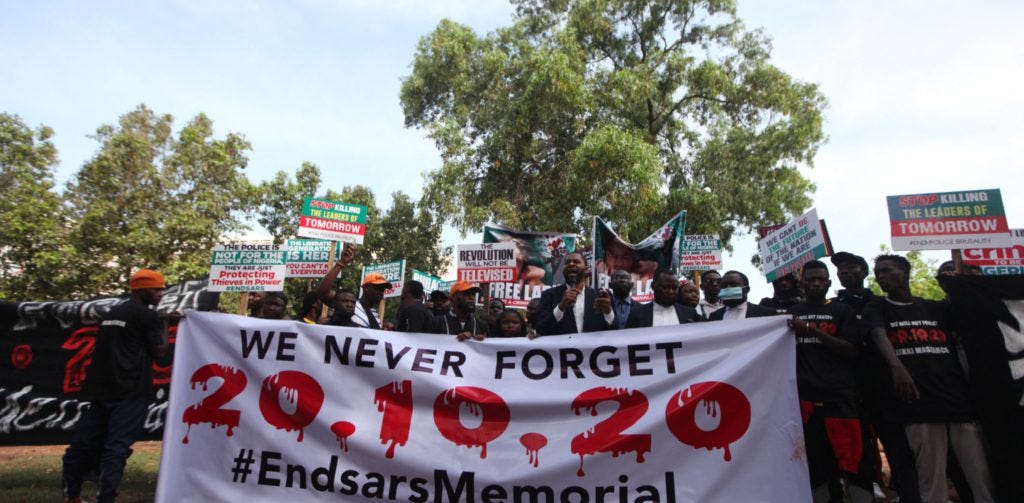
May we always remember. May we never forget.
Intermission
The movement gained international attention and support.
The Nigerian government eventually disbanded SARS.
It established a special tribunal to give justice to police brutality victims, and announced plans for police reform.
However, dissatisfaction still remained in the minds of protesters due to the government’s resort to use of force that took lives of protesters, and led some to seek asylum outside the country. Also, the second leg of our demand remained uncatered for.
Unfortunate Coincidence
The #EndSARS movement came in the same period the fire of #BlacksLivesMatter movement was refueled in the U.S. It was against the Western countries, especially the United States. It centers around raising awareness for issues related to systemic racism, racial injustice, and police brutality towards Black individuals.
Like #EndSARS, the #BlackLivesMatter was characterized by police brutality. But unlike it, the White citizens were seen harassing the Blacks and most times shot them to death.
The #BlackLivesMatter originated in 2013 when the killer of Trayvon Martin was acquitted. It quickly gained prominence as a cry against violence targeted at Black people. It emphasizes the importance of holding individuals and systems accountable for perpetuating racial discrimination and advocating for meaningful change.
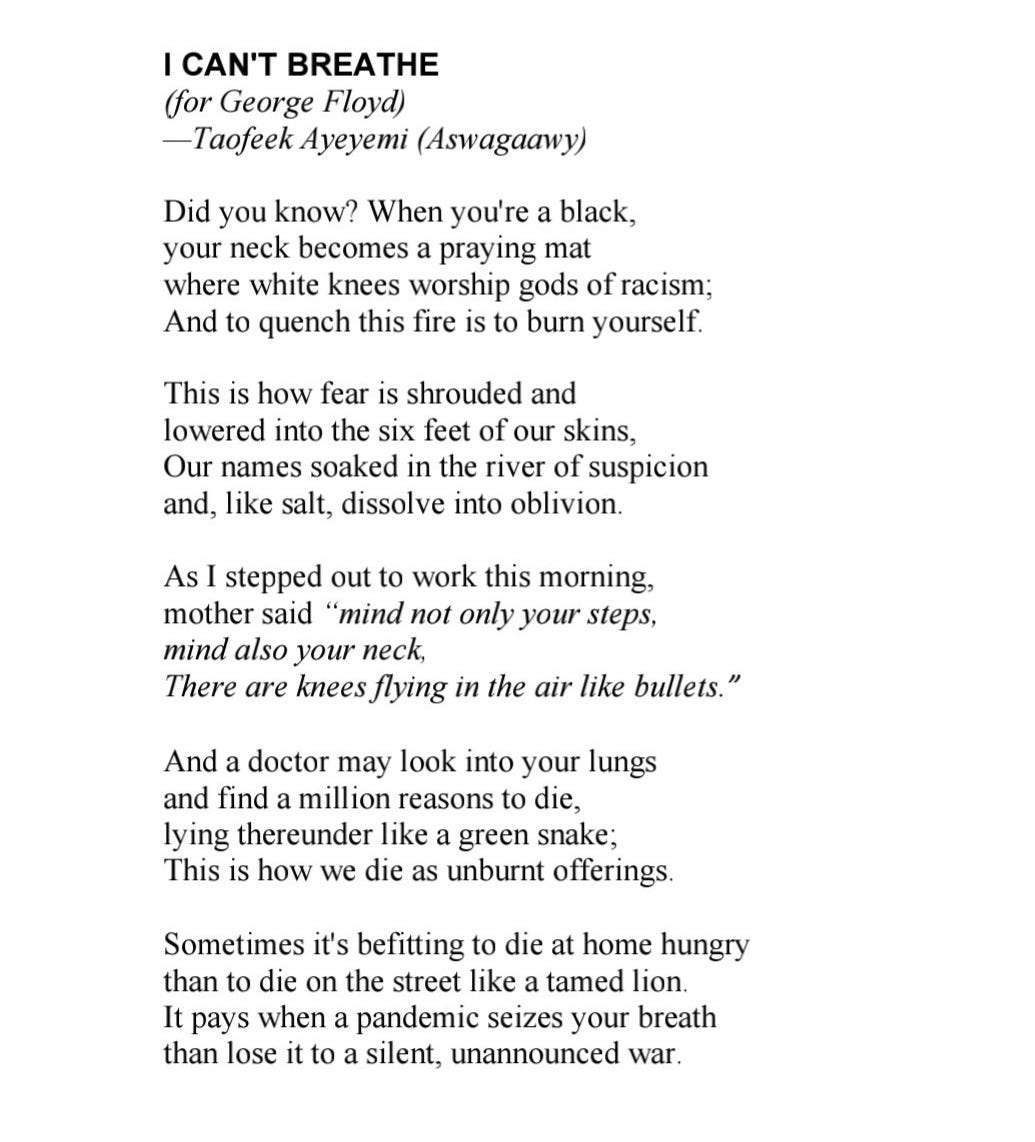
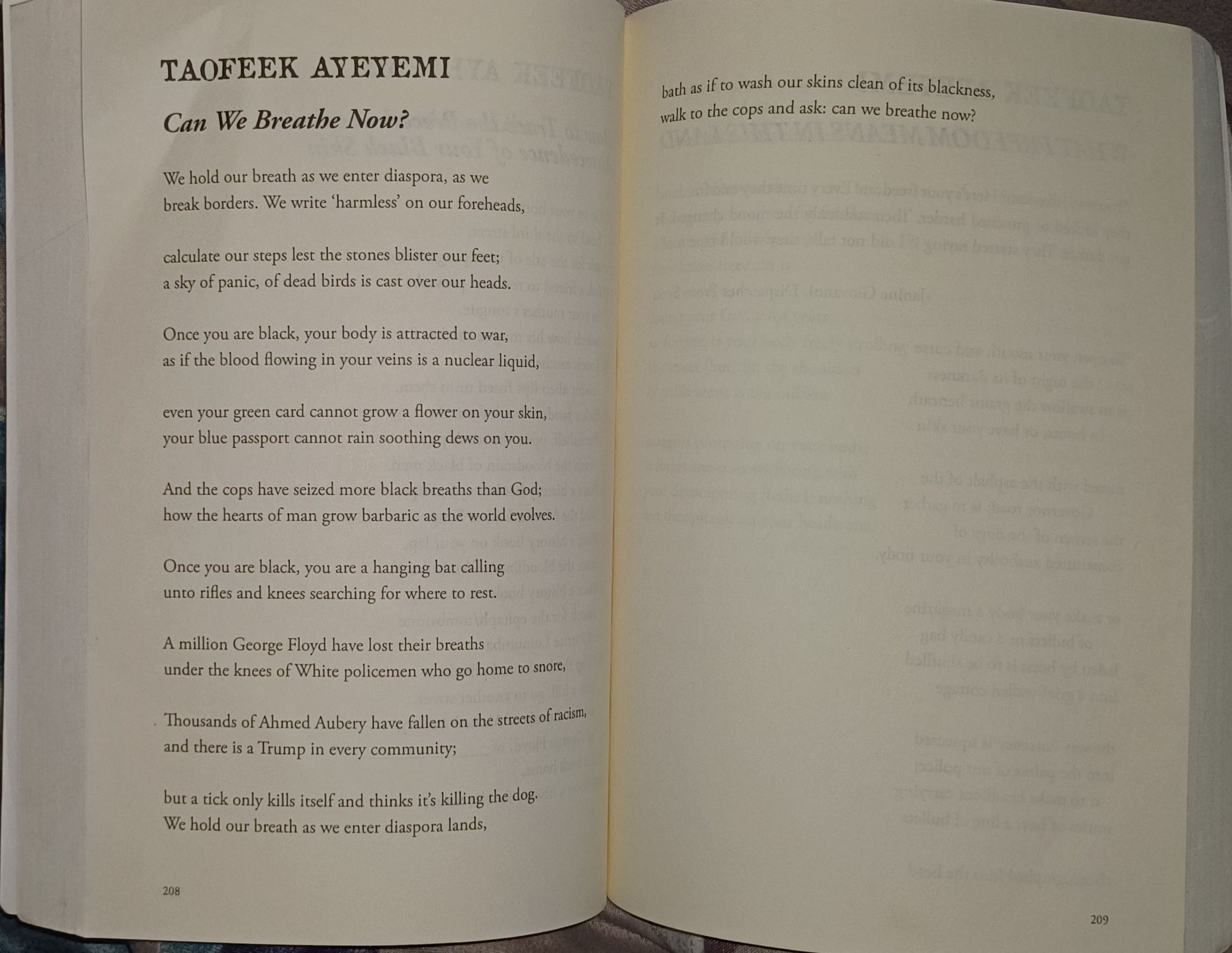
The #BlacksLivesMatter hashtag resurfaced when George Floyd was kneeled in the neck on May 25, 2020 by a White Minneapolis cop, Derek Chauvin, seizing his breath for about 9 minutes till he gave up. Floyd was seen in a viral video gasping “I Can’t Breathe,” and the hashtag #ICantBreathe was birthed in the movement.
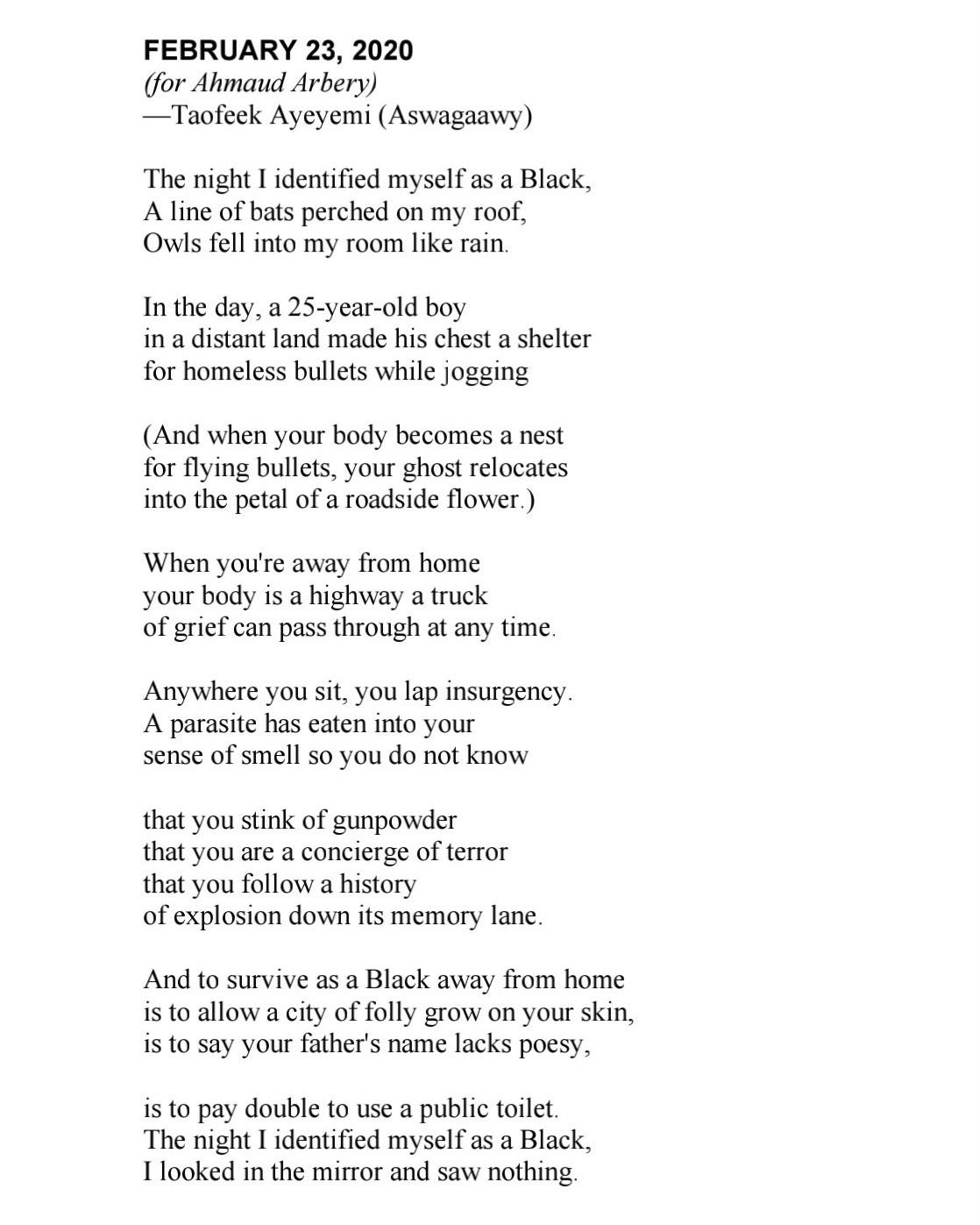
Earlier in the year, on February 23, 2020, Ahmaud Arbery was shot while jogging on the street of Glynn County, Georgia. He was pursued and confronted by two white men, Travis and Gregory McMichael, who wrongly suspected and falsely accused him of being involved in a nearby burglary. During the confrontation, Ahmaud Arbery was shot and killed. 2020 was a dark year, with the darker shadow of Covid-19 in the background.
The 7 Poems of Witness
Popularly known for their social response, my poetry reacted to these unfortunate events.
•October 20, 2020
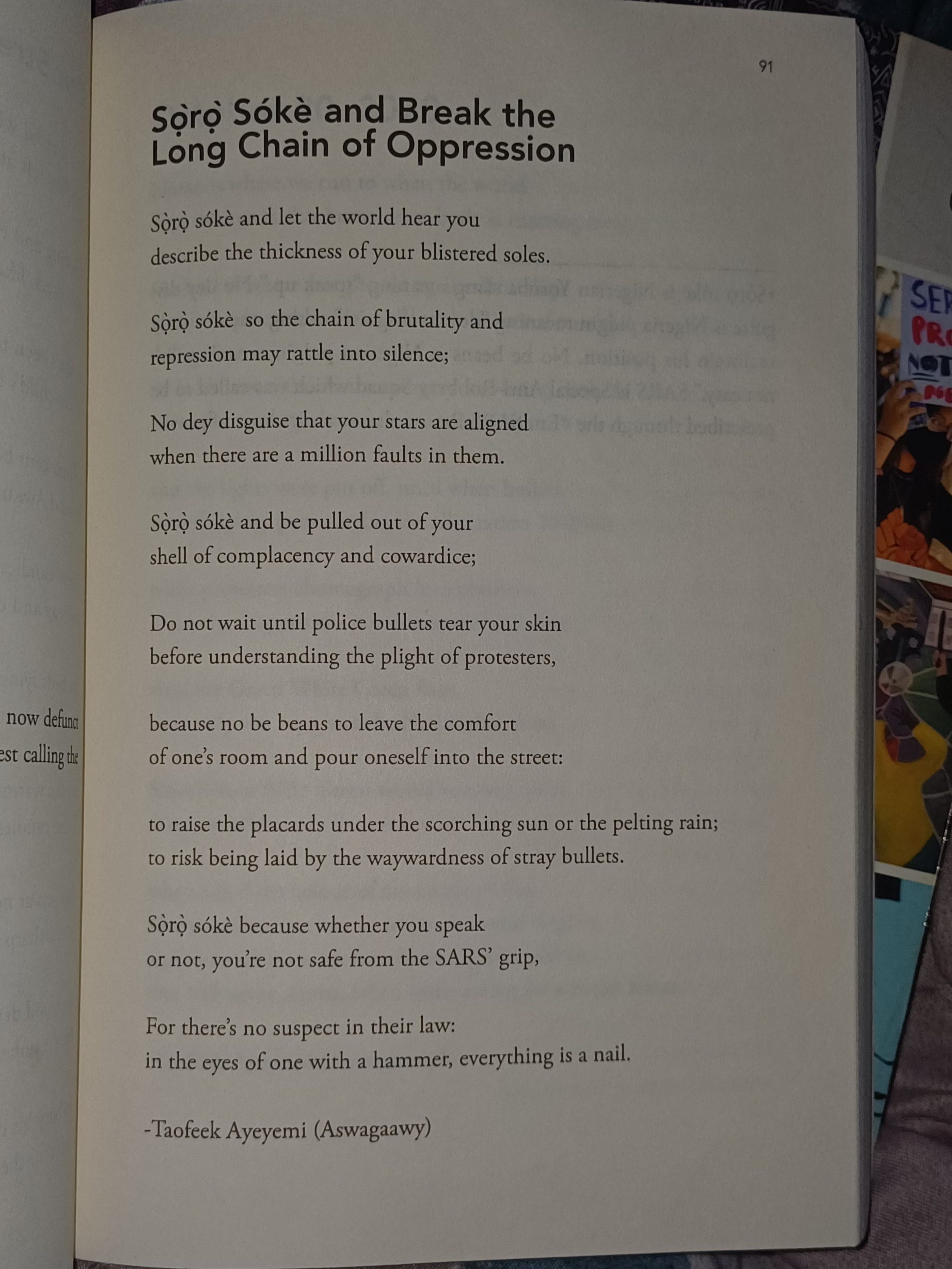
•Sọ̀rọ̀ Sókè and Break the Long Chain of Oppression
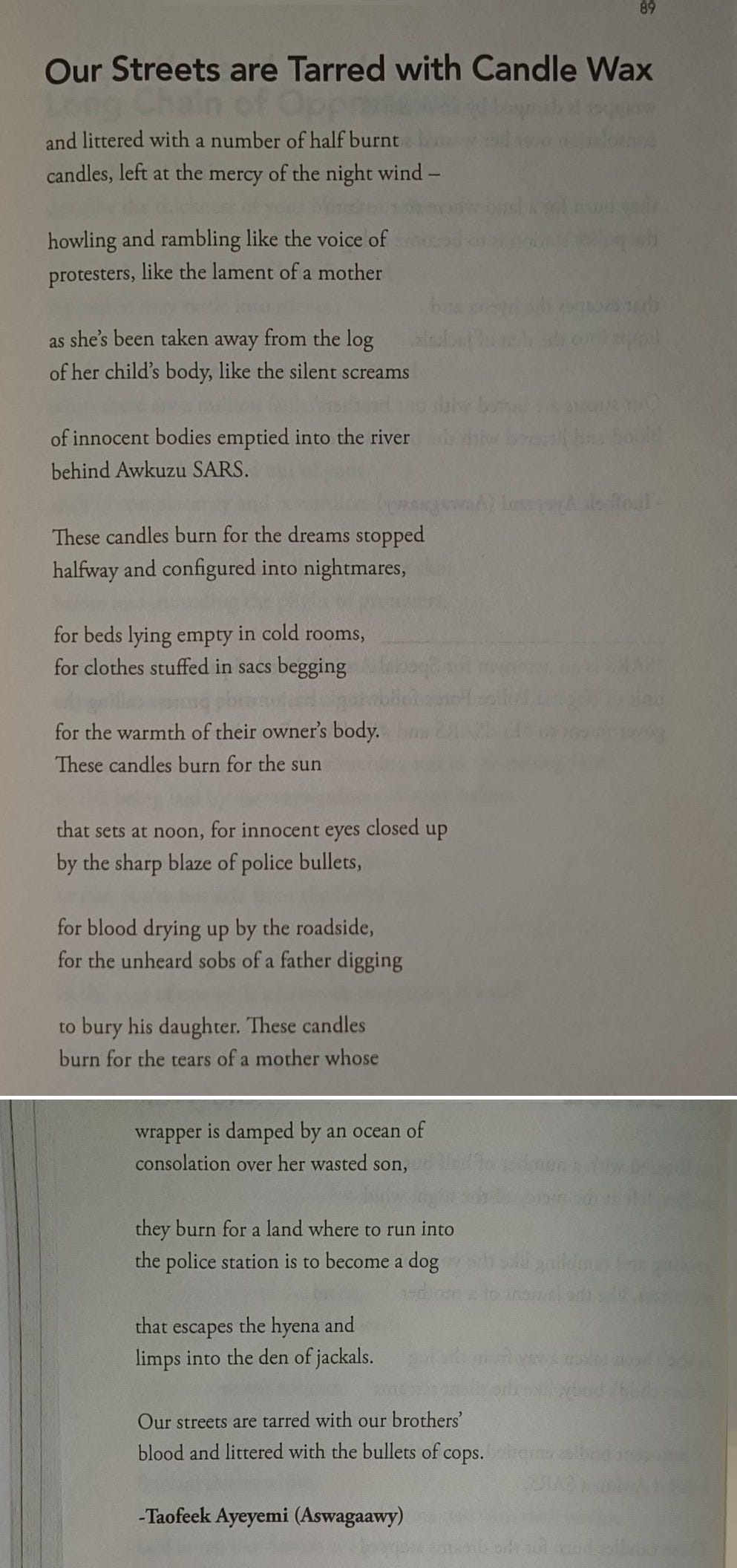
•Our Streets are Tarred with Candle Wax
• I Can't Breathe
• February 23, 2020
•Can We Breathe Now?
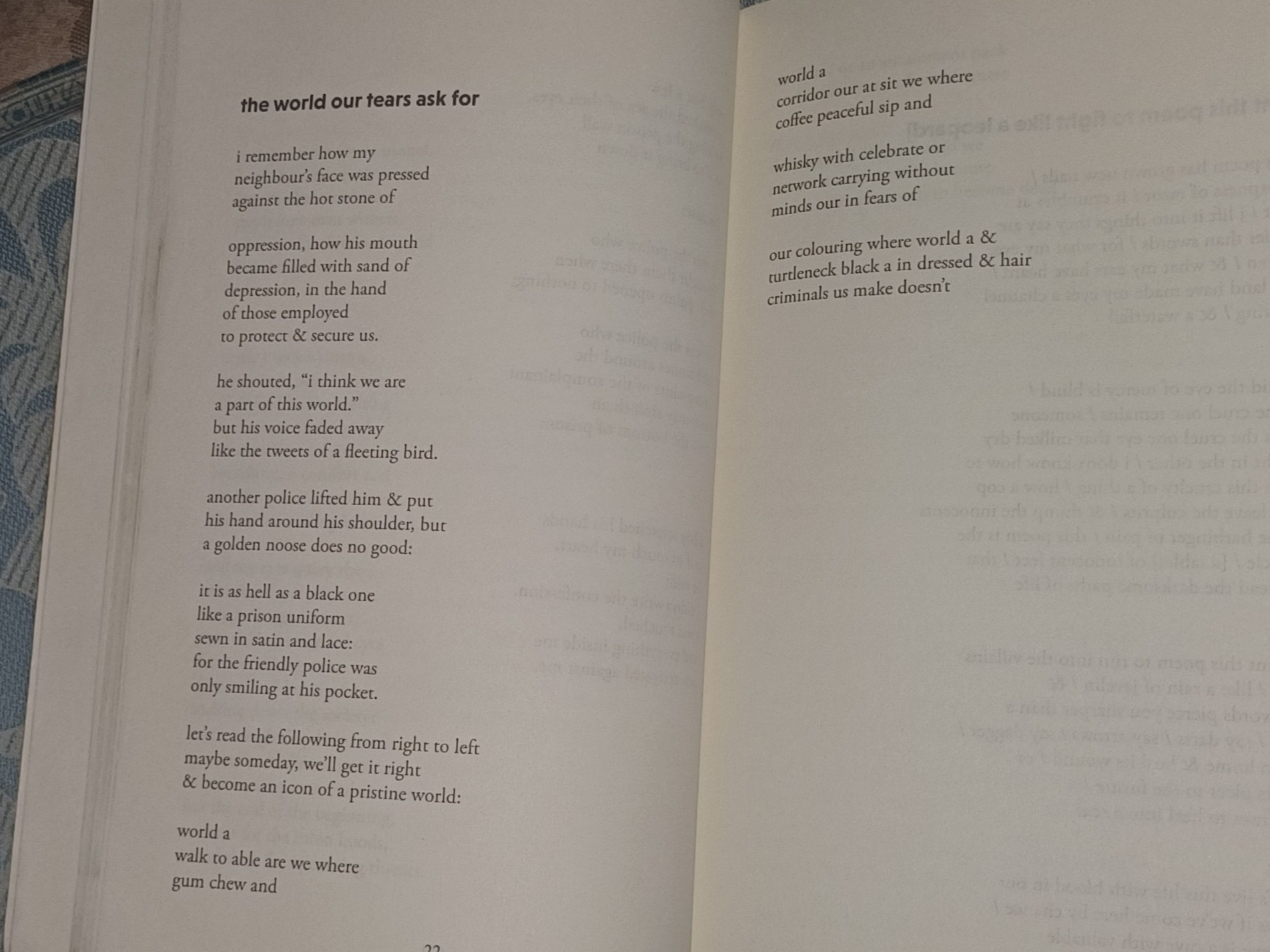
•the world our tears ask for
•The Aftermath
The soldiers, after killing many protesters, cleaned their mess by going away with the bodies of their victims. People cried out that the dead bodies be given to their their relatives. Guess what? The government stated that no one died in the Lekki tollgate protest attack.
In October 2023, the Lagos State government planned to silently bury 103 victims of the #EndSARS crisis. The plan was suspended due to outcry demanding government to carry out coroner investigation on the 103 #EndSARS victims, and give time to people to identify their relatives.
At the inquiry panel, the Lagos State pathology, tendered report of 99 people killed during the Protest, and said at least 3 of the bodies were from Lekki and were perforated by missiles.
The panel of inquiry therefore pronounced that there was a massacre at the Lekki Tollgate as against what the government said.
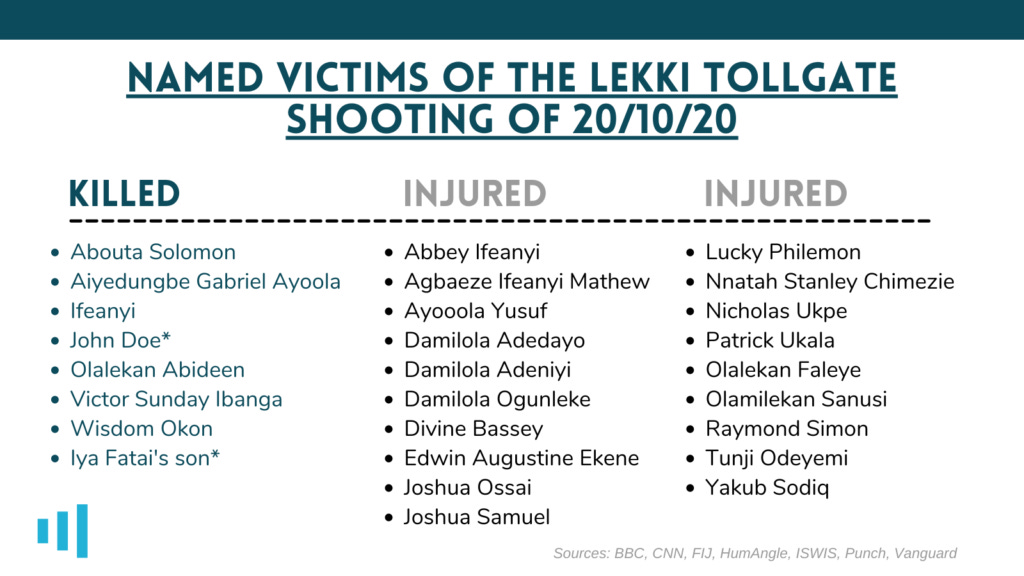
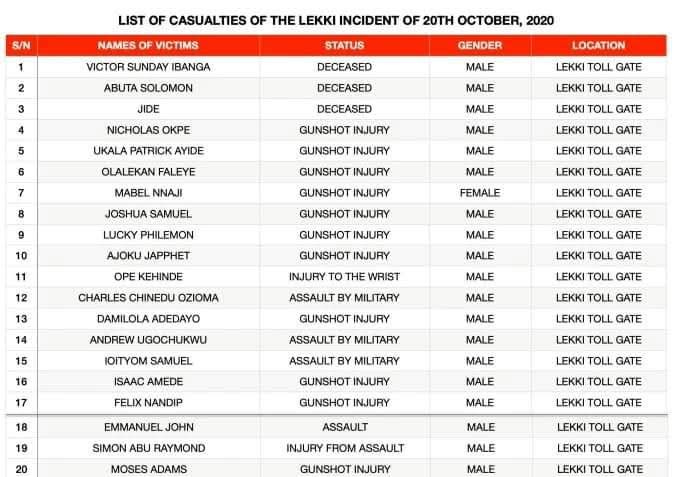
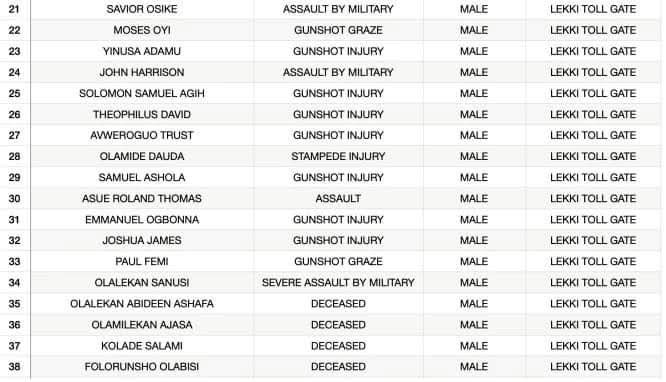
Even though the government stated that no one has come to identify the bodies as their relatives who was at the Lekki Tollgate, the public understood that it was all lies. There were reports that family members have been threatened to keep silent.
•Five (5) years later, what did the #EndSARS movement teach us?
It taught us to speak up, and that when we do, we make things change, we inspire progress.
The #EndSARS protest marked a significant moment in Nigeria’s history, with citizens amplifying their voices and standing up against police brutality and systemic corruption vis-a-vis governmental ineptitude.
It also highlighted the power of social media in organizing and mobilizing people for a common cause.
It didn't take a Nostradamus to know that Nigerian youth were civil and reasonable in the #EndSARS protest, but it takes Nepal for us to understand that wèrè la fí n wọ wèrè.
What memory did #EndSARS protest etch in your mind?
What lesson did you learn?
What's the way forward?
Let's jaw-jaw in the comment section.
Odàbọ̀, kó si àdìtú tí a kì í tú.
Farewell, may no mystery remain unsolved.
— ASWAGAAWY
The toothpick that walks like a man
Thanks for thanking me. I'm glad you appreciate this. Yes, revolution doesn't come easy, it comes with blood. See Nepal, and other places. Maybe someday, we'll be able to change the course of things.
Thanks for this write up, we need this. I think while we see the change it sparked, and our generation got to see what we could do; we nonetheless learnt something that the older generations know all too well: to demand for change is death. So, my fear is that knowledge has stuck, more so, as you noted we didn't even get all we demanded, so why risk death.